The 3-Step Framework That Makes Buyers Talk Themselves Into Urgency

Most reps know they're supposed to uncover business impact on discovery calls. The problem is the moment they try; the conversation stiffens. Buyers get guarded. The call loses momentum.
It's not a script problem. It's a sequencing problem.
Here's a three-part framework that makes exploring impact feel completely natural and gets buyers opening up about urgency on their own terms.
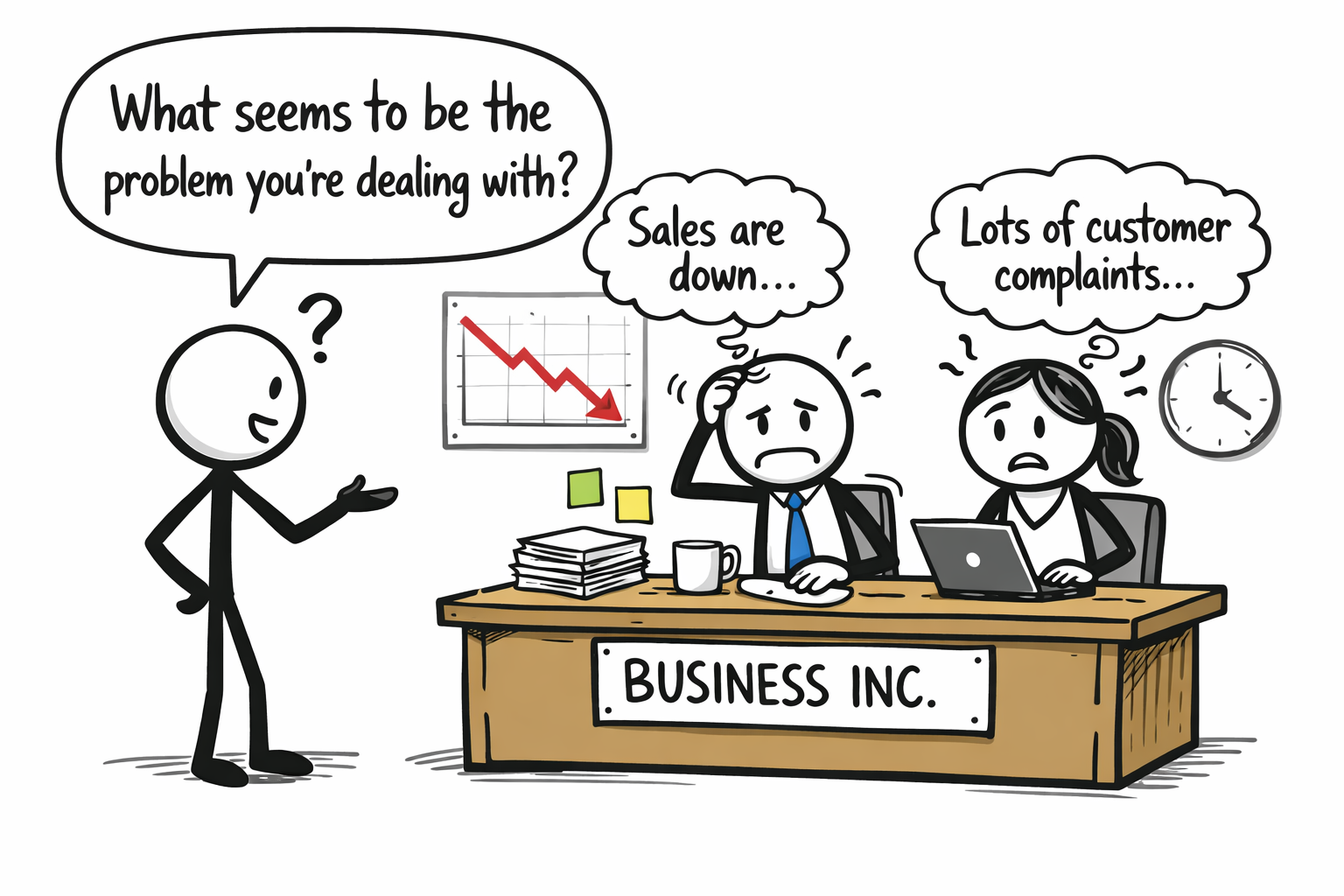
Step 1: Summarize the Business Problem
By the time you're ready to explore impact, you've already asked several diagnostic questions. You've done cause analysis. You understand the current state. Don't let that work sit unused.
The most natural bridge into impact is a crisp, accurate summary. It shows the buyer you were listening, that you understand their world, and that this isn't a generic call. It also creates alignment before you go deeper.
The formula: restate the problem, reflect back the current state, acknowledge the root cause - then check your understanding.
It sounds like this:
"Let me see if I've got this right - you're looking to roll out a call coaching program for your AEs, and what's driving that is conversion rates sitting at 20% while your CEO wants to lift that to 25%. When you think through the root cause, the main issue is that reps are feature dumping instead of selling against pain and outcomes. Did I get that right?"
Wait for the yes. That confirmation is your green light. It also creates micro-commitment, the buyer has just affirmed their own problem out loud, which matters more than you'd think.
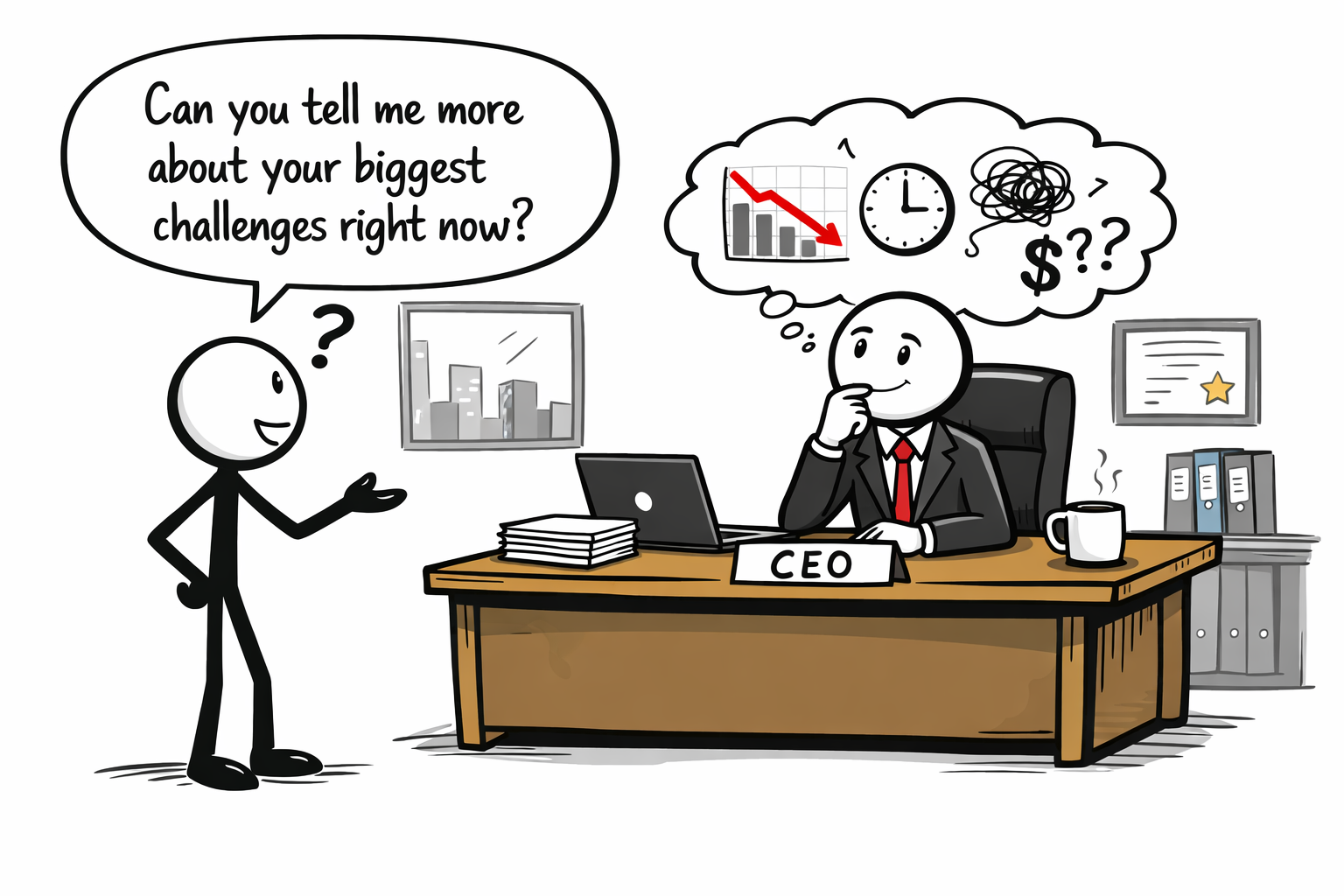
Step 2: Ask One Open-Ended Impact Question
This is where most reps skip ahead and where the framework earns its keep. Before you go anywhere specific, give the buyer complete freedom to go wherever they want. This step is not optional. It's the psychological key that unlocks everything that follows.
An open impact question hands the buyer the wheel. They don't feel funneled. They feel in control. And that sense of control is exactly what makes them willing to follow you into more targeted territory a moment later.
One tactical note: drop the word "impact" from your questions. Buyers have been conditioned to hear that word from salespeople and it triggers their guard. Try "ripple effects" instead it's more specific, signals genuine business acumen, and lands without the sales-y aftertaste.
Here are a few open impact questions to have ready:
- Can you help me understand the ripple effects this challenge is having on the rest of the business?
- How is this problem impacting the business as a whole?
- Who else does this challenge affect and how?
- Earlier you mentioned this could derail things can you help me understand what that would actually look like?
- What's driving you to solve this now rather than later?
Pick one. Ask it. Then listen without interrupting.
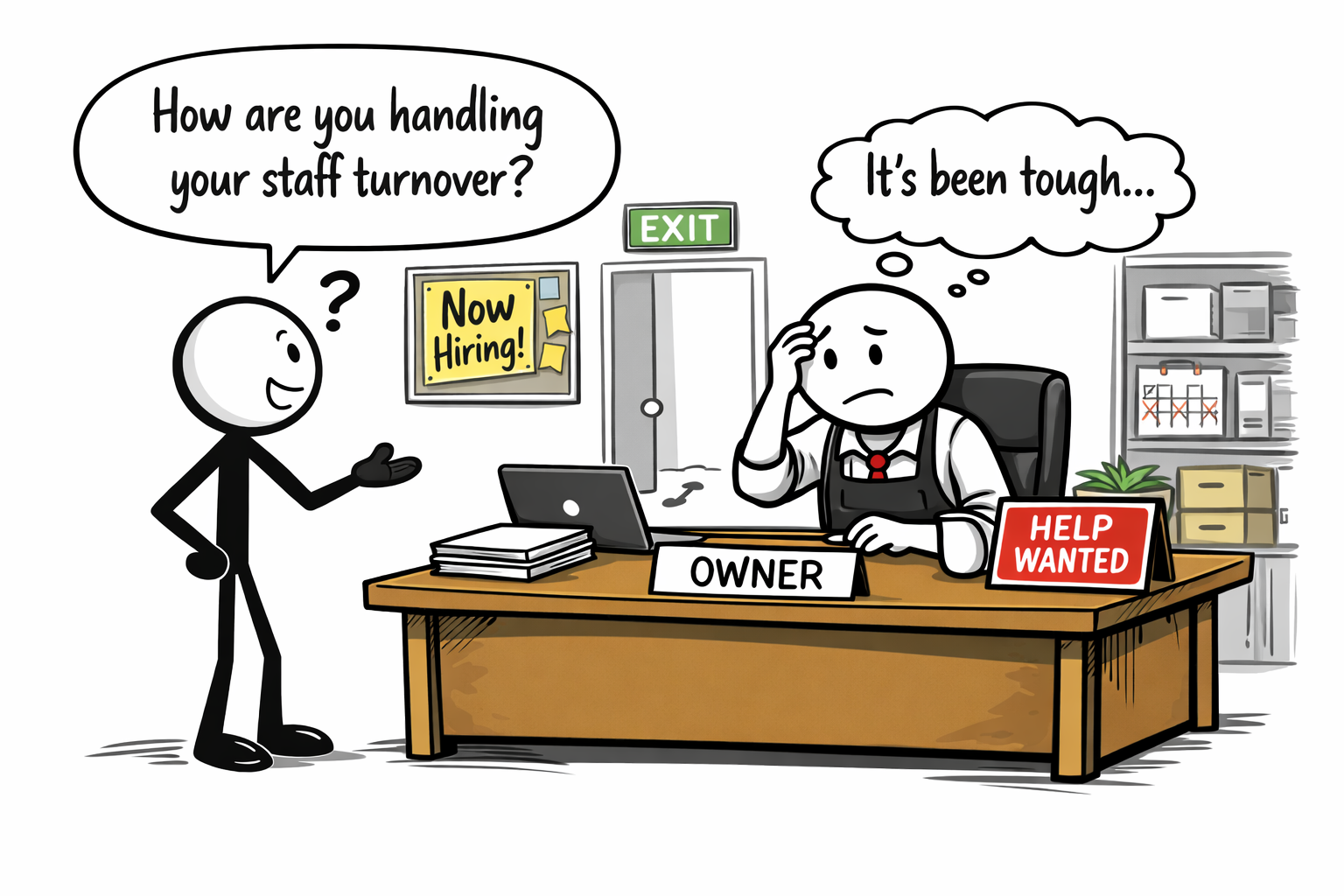
Step 3: Ask Targeted Impact Questions
Now that the buyer has opened up, you've earned the right to narrow the conversation. Targeted questions funnel the buyer toward specific impacts they may not have connected to the problem on their own things that raise the stakes and build real urgency.
This is where the cost of inaction becomes visible. Not because you told them, but because they said it out loud themselves. There's a meaningful difference between a rep telling a buyer "this is affecting your CAC" and the buyer arriving at that conclusion through your questions.
The sequence matters enormously. If you open with targeted questions before giving buyers freedom, they freeze up and feel manipulated. But when you lead with an open question first, targeted questions that follow feel like natural conversation - not a funnel.
Using the same conversion rate problem, here's what that looks like in practice:
Open first: "How is this conversion rate challenge impacting the rest of the business?"
Then go targeted:
- To what extent is this affecting your customer acquisition costs right now?
- How is marketing being impacted as they generate leads your team isn't converting?
- Is your CFO concerned about how these feeds into CAC and lifetime value?
That conversation flows. And it flows because you gave the buyer the wheel before you started steering.
Why the Order of Operations Matters
The psychology here is straightforward: people who feel in control are far more receptive to being guided. When you lead open, the buyer experiences the conversation as a dialogue. When you eventually introduce targeted questions, they don't register it as pressure because the conversation already felt free.
Flip the sequence - summarize the problem and immediately ask targeted questions and buyers shut down. They haven't been given permission to go anywhere, so being pushed somewhere specific feels off.
The framework works because it respects that sequence.
The Three Steps, One More Time
Step 1 - Summarize: Restate the problem, current state, and root cause. Confirm you got it right.
Step 2 - Go Open: Ask one open-ended impact question. Use "ripple effects." Let the buyer go wherever they want.
Step 3 - Go Targeted: Ask specific follow-up questions that surface downstream consequences and costs the buyer may not be connecting yet.
Take two or three of those open impact questions into your next discovery call. Just those. See what happens when you hand the buyer the wheel before you take it back.

Kasinathan
GTM strategist