How We Helped Paperplane Wedding Studio Reach the Clients They Were Always Meant To Serve
Luxury wedding photography. A niche audience. A digital presence built to match.
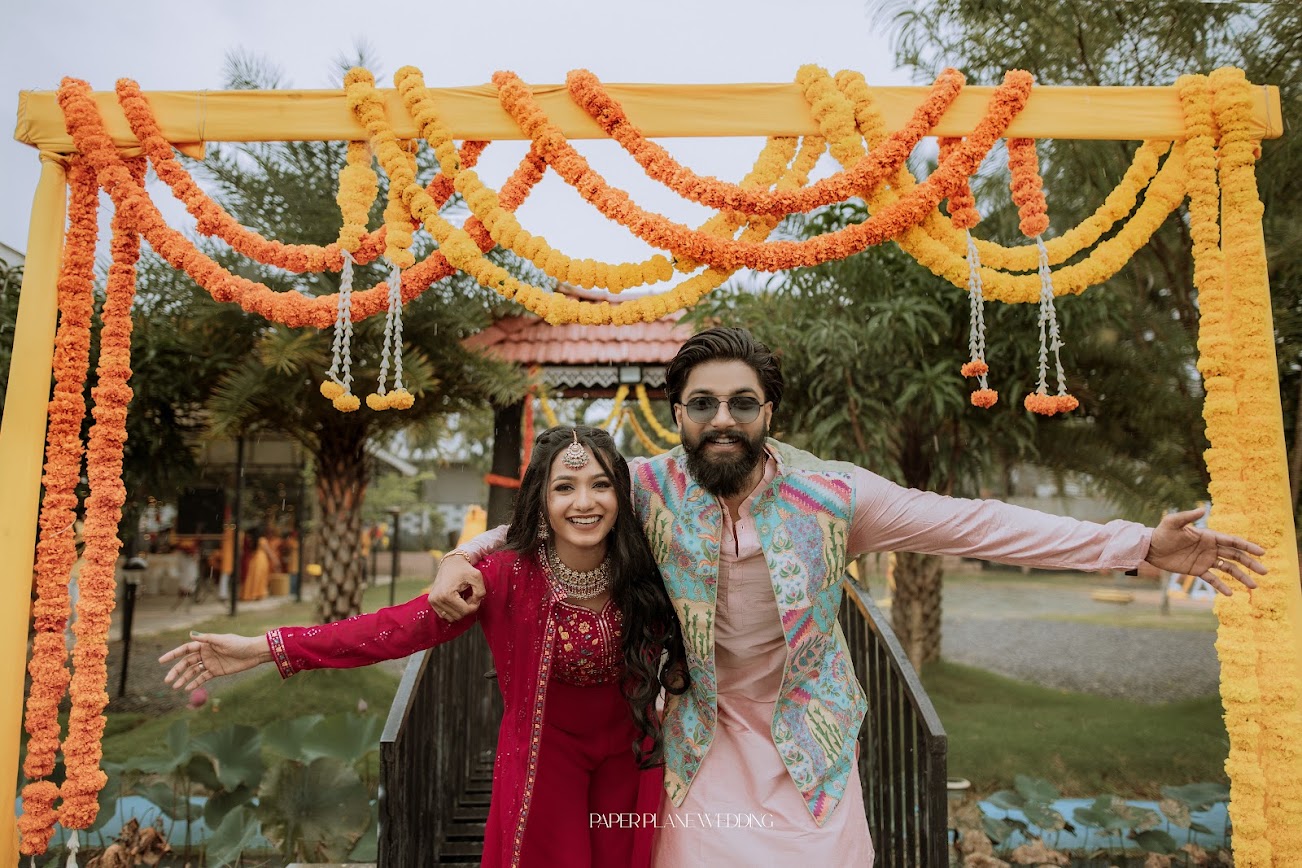
Who Is Paperplane?
Paperplane Wedding Studio is not a wedding photographer for everyone — and that's exactly the point. Based in Kerala, they specialise in cinematic wedding films and timeless photography for couples who want their story told with intention, craft, and an unmistakable visual language.
Their clientele includes celebrities, serial actors, and high-net-worth families across Kerala, Tamil Nadu, and Karnataka — people who understand the difference between documentation and art, and who are willing to invest in the latter.
Paperplane had the talent. They had the work. What they needed was a digital presence that could speak to that audience before the first call was ever made.
The Problem with Being Brilliant and Invisible
The premium wedding photography market in Kerala is crowded at the surface. Every studio has an Instagram account. Every studio has a website with galleries, price lists, and a "Book Now" button.
But Paperplane's audience — celebrities, film industry families, and couples who expect a certain level of everything — doesn't browse through generic wedding directories. They discover through reputation, through referrals, and increasingly, through how a brand presents itself online before any conversation begins.
Paperplane's previous digital presence didn't reflect who they were. The gap between the quality of their actual work and the quality of how they were discovered online was costing them the exact clients they were built for.
Wrong audience reach
Broad digital marketing was pulling in enquiries that weren't the right fit, wasting the team's time and diluting the brand.
No premium digital positioning
Their online presence didn't signal luxury — it blended in with studios charging a fraction of their rate.
No website that could convert silently
Premium clients don't want to be sold to. They want to feel it. The existing site couldn't do that.
Niche Down. Show Up Differently. Let the Work Speak.
The temptation with any marketing brief is to go broad — reach more people, run more ads, get more enquiries. We did the opposite. We started by defining who Paperplane's actual audience was with precision: high-income families in Kerala's film and business community, NRI couples planning South Indian weddings, and anyone for whom a wedding photographer is a considered luxury purchase, not a budget line item. Then we built everything — the strategy, the marketing, and the website — around that audience specifically.
Niche-first digital strategy
Instead of running broad awareness campaigns, we built a hyper-targeted digital marketing approach focused on the specific communities, platforms, and content formats where Paperplane's ideal clients actually spend their time. Reach fewer people. Reach the right people. That was the principle.
Instagram as a positioning tool, not a follower game
We repositioned Paperplane's Instagram from a portfolio dump to an editorial feed — curated, consistent, and clearly premium. The goal wasn't followers. It was the feeling that finding Paperplane felt like discovering something exclusive.
Branding that matched the work
Before any campaign went live, we revisited Paperplane's brand identity — visual language, tone of voice, and how they were presented across every touchpoint. A luxury client decides within seconds. Every second had to count.
A Website That Doesn't Try to Sell. It Just Makes You Feel.
This is where most wedding studio websites get it wrong. They cram in galleries, pricing tables, testimonial carousels, and five different CTAs competing for attention. The result looks busy, feels desperate, and immediately signals "mass market."
Paperplane's audience doesn't need to be pushed. They need to be impressed — quietly, confidently, without noise.
How the brief came together:
The client came to us with a clear reference: a website they admired — elegant, minimal, fashion-forward in its restraint. An international wedding studio whose site felt more like an art magazine than a service business. That reference became our north star.
We didn't copy it. We used it to understand the emotional experience they wanted visitors to have, then designed something that was entirely Paperplane's — rooted in their brand, their photography style, and their Kerala context.
What we built:
The website at paperplanewedding.com was designed around one idea: the work is the sales tool. Every design decision — the whitespace, the typography, the way images breathe on the page, the absence of aggressive CTA buttons — was made to let Paperplane's photography do what it already does brilliantly: stop people in their tracks.
Design principles we followed:
- Minimal copy. Maximum imagery.
- No price lists visible on first load — luxury brands don't lead with price
- One primary CTA, placed deliberately, never repeated three times on the same page
- Typography and spacing that signals editorial quality, not agency-template construction
- Mobile experience treated as the primary canvas, not an afterthought — their audience is on Instagram before they're on a desktop
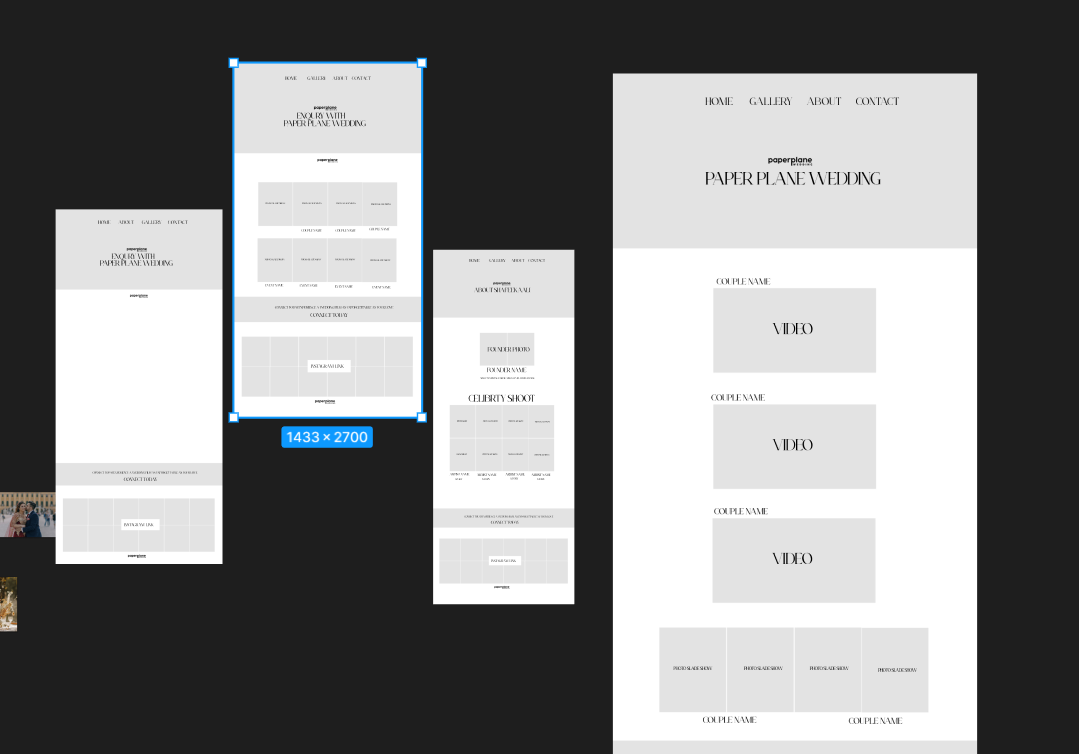

Website
From Reference to Reality — How the Project Unfolded
Step 01
Client brief & reference collection
Paperplane came with a vision and a reference website they loved. We spent time understanding not just what they liked visually, but why — what feeling that reference created, and whether that feeling was right for their specific brand and audience.
Step 02
Brand positioning alignment
Before opening Figma, we aligned on positioning. Who is this website for? What should they feel in the first 10 seconds? What should they never feel? These decisions informed every design choice that followed.
Step 03
Figma prototype
We built a full interactive prototype in Figma — desktop and mobile — and presented it to the Paperplane team before any development began. This is non-negotiable for us on premium builds. The client sees exactly what they're getting, approves it, and we build once — not twice.
Step 04
Build & refinement
Development began after prototype sign-off. Refinements were handled collaboratively — no back-and-forth through email chains, just a shared space where feedback was immediate and changes were made in real time.
Step 05
Digital marketing launch
With the website live and the brand repositioned, we launched the targeted digital marketing strategy — Instagram content architecture, organic reach campaigns, and niche audience targeting designed to put Paperplane in front of exactly the right people.
A Brand That Now Looks Like What It Always Was
We don't believe in inflating numbers. Here's what the work actually delivered:
Enquiry quality, transformed
The shift from broad to niche targeting meant enquiries came from audiences who understood Paperplane's positioning — clients who weren't bargaining on price, weren't comparing them to studios charging ₹20,000 for a full day, and were already pre-sold on the premium experience before the first call.
Instagram as a trust signal
The repositioned Instagram feed became the primary touchpoint for new client discovery — with organic reach growing consistently through content that felt native to a luxury audience rather than promotional to a general one.
A website that does the selling silently
The team at Paperplane reported that clients were arriving to enquiry calls already converted — they had seen the website, felt the brand, and reached out to confirm availability, not to be convinced.
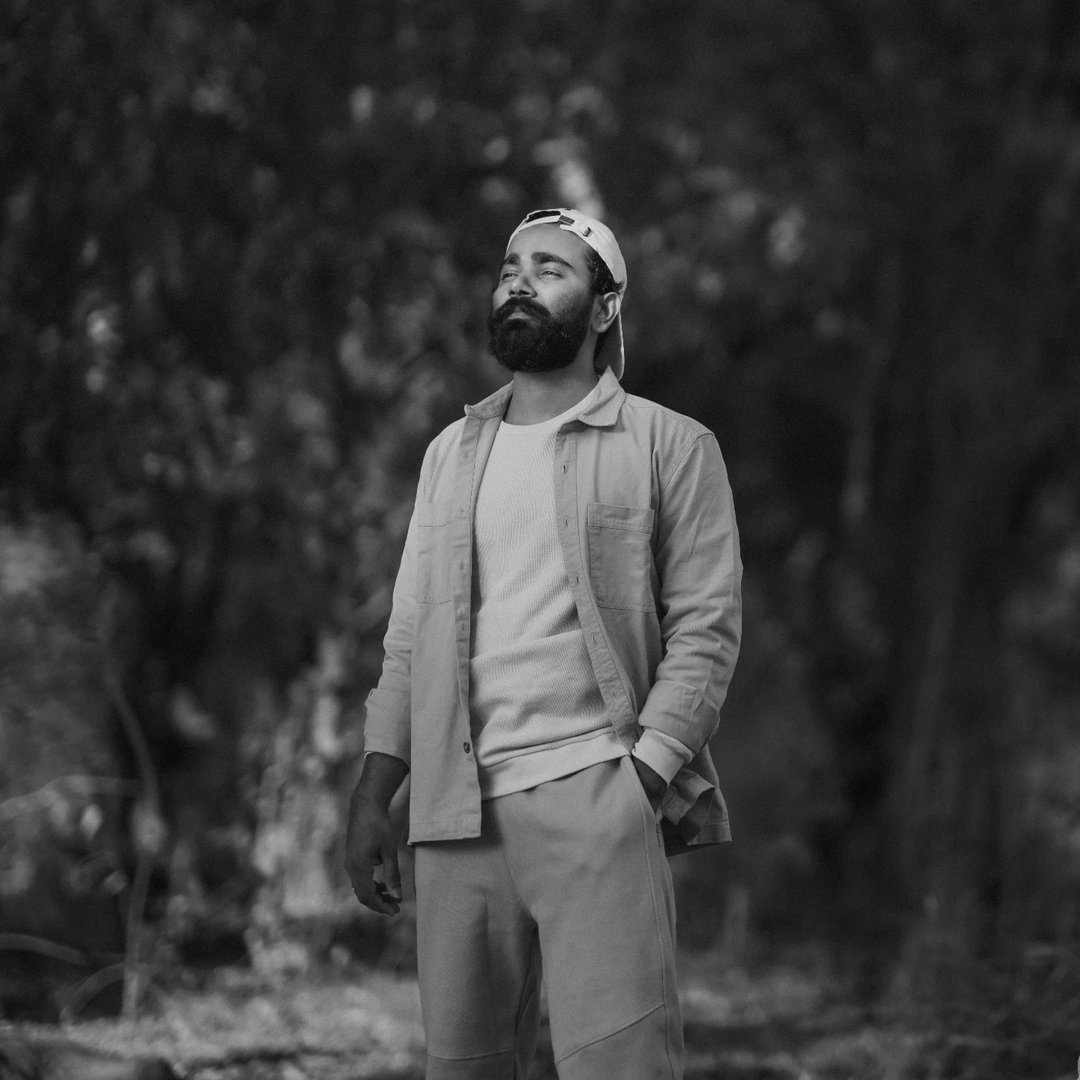
"Working with SalHurry was seamless. They created a website that perfectly reflects our premium brand. Professional team, smooth process, and great results."
Mohammed Shafeek Hussain
Paperplane Wedding Studios
What This Project Taught Us
Not every business needs more reach. Some businesses need better reach — a smaller, sharper audience that is genuinely the right fit.
Paperplane taught us that premium positioning isn't just about looking expensive. It's about making the right person feel understood before they've even made contact. The website, the Instagram, the targeting strategy — all of it was ultimately in service of one goal: making a high-value client feel like they'd found the right people, not just another studio.
That's the work we're most proud of. Not the metrics. The feeling.
What SalHurry delivered on this project
Want SalHurry to Do This for Your Business?
Whether you're a premium service brand that's been underrepresented online, or a business that needs a website and marketing strategy that actually matches your quality — we can build it.